Emergency repairs can create significant disruptions in operations, especially for businesses that rely heavily on their vehicles. For truck owners and fleet managers, understanding how to minimize downtime during these critical moments is essential for maintaining productivity and profitability. This article explores practical strategies to effectively manage emergency repairs, ensuring that trucks are back on the road as quickly as possible.
Understanding the Impact of Downtime
Downtime due to emergency repairs does not only affect the immediate financials; it also has long-term repercussions on customer satisfaction and service reliability. For instance, a commercial truck that breaks down unexpectedly not only incurs repair costs but also risks losing valuable contracts if deliveries are delayed. Studies indicate that every hour a truck is out of service can cost operators hundreds of dollars in lost revenue and operational inefficiencies.
Moreover, consistent downtime can lead to increased wear and tear on other vehicles in the fleet, as they may be called upon to fill in for the broken-down unit. Thus, understanding how to mitigate downtime is critical for any truck repair shop or fleet manager.
Proactive Maintenance: The First Line of Defense
One of the most effective ways to reduce emergency repairs is through a robust proactive maintenance program. Regular inspections can identify potential issues before they escalate into full-blown emergencies.
For instance, routine checks on the cooling system can prevent overheating incidents, while regular brake inspections can avert potentially dangerous failures on the road. Implementing a scheduled maintenance plan ensures that common issues are addressed before they become urgent problems.
In addition, investing in technology such as telematics systems can provide real-time data about vehicle performance and alert managers to anomalies that require attention. By addressing these issues proactively, fleets can significantly reduce the frequency of emergency repairs.
Building Relationships with Trusted Repair Shops
A reliable truck repair shop plays a crucial role during emergencies. Establishing a strong relationship with an auto and truck repair service allows fleet managers to access priority services when breakdowns occur.
When selecting a repair shop, consider factors such as proximity, availability of specialized services like diesel engine repairs or transmission work, and overall reputation within your community. A trusted repair shop will not only expedite repairs but also provide insights into preventative measures that can be taken based on their observations from servicing similar vehicles.
Moreover, having an established relationship means that mechanics are familiar with your specific fleet's quirks and history, which speeds up diagnostics and repairs during emergencies.
Efficient Diagnostic Processes
When an emergency arises, swift diagnostics are critical for minimizing downtime. Advanced diagnostic tools enable mechanics to identify problems quickly and accurately. Utilizing state-of-the-art diagnostic equipment ensures that technicians can pinpoint issues in complex systems like electrical https://joshhawkinsautomotive.com/ or fuel systems without unnecessary delays.
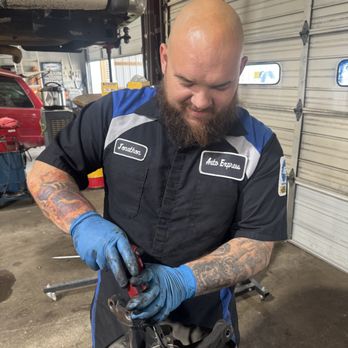
Training staff in effective diagnostic practices further enhances Truck overheating repair Whitehouse TX efficiency. Quick identification of problems leads directly to more expedient repairs. In addition to training internal mechanics, consider establishing partnerships with diesel diagnostic services that specialize in rapid assessments.
Keeping Essential Parts in Stock
Another strategy for reducing downtime is maintaining an inventory of essential parts that frequently fail in your fleet's vehicles. This includes items like brake pads, filters, belts, hoses, and even more critical components such as turbochargers or injectors for diesel engines.
By having these parts readily available at your truck repair shop or within your fleet maintenance facility, you eliminate delays associated with ordering parts during emergencies. While this requires upfront investment in inventory management systems or storage space, the cost savings realized from reduced downtime often justify this initial expenditure.
Additionally, establishing relationships with suppliers who offer quick delivery on less common parts can further streamline this process.
Training Drivers on Basic Troubleshooting
Equipping drivers with basic troubleshooting skills allows them to identify minor issues before they escalate into emergencies while on the road. Training sessions should cover essential topics like recognizing warning lights on dashboards or understanding unusual sounds indicative of mechanical failures.
For example, if a driver notices strange noises coming from the brakes while driving through Whitehouse TX, knowing when to pull over could prevent more extensive damage later on. Empowering drivers with knowledge creates a culture where everyone contributes toward reducing downtime through vigilance.
Implementing Roadside Assistance Programs
Having a roadside assistance program integrated into your operation provides peace of mind for drivers facing unexpected breakdowns away from home base. Many companies offer subscription-based services tailored specifically for commercial fleets which include towing capabilities and access to mobile mechanics who can conduct minor repairs on-site.
For instance, if a heavy-duty truck experiences an issue far from its usual route near Whitehouse TX, having access to roadside assistance minimizes delays significantly by eliminating the need for towing unless absolutely necessary.
The Benefits of Comprehensive Fleet Maintenance Programs
Adopting comprehensive fleet maintenance programs not only improves reliability but also extends vehicle lifespan while enhancing safety standards across operations—contributing positively towards overall business goals too!
Investing time into designing thorough preventative plans tailored uniquely towards each vehicle type within one’s fleet ensures strategic prioritization around high-risk areas thus optimizing resource allocation when emergencies arise!
Embracing Technology for Enhanced Communication
Effective communication between drivers and management teams plays an indispensable role during emergencies—especially concerning timely updates regarding status post-breakdowns! Solutions such as mobile applications designed explicitly for logistics help streamline information sharing between all stakeholders involved—from drivers reporting incidents directly back office personnel ensuring everyone stays informed throughout processes leading up until resolution occurs!
Moreover utilizing GPS tracking technology enables managers monitor routes taken by their trucks at any given moment—allowing them make informed decisions about rerouting resources accordingly if needed help arrives quicker than expected!
Conclusion: A Culture of Preparedness
Ultimately cultivating a culture focused around preparedness rather than reactive measures positions organizations favorably against unforeseen challenges faced daily within transportation sectors today! By fostering collaboration amongst teams along emphasizing continuous improvement practices—businesses not only enhance customer satisfaction levels but strengthen resilience against future crises encountered head-on!
The responsibility lies not solely upon individual departments; instead it requires cohesive efforts spanning entire organizations embracing innovative solutions collectively striving towards minimizing impacts stemming from unexpected occurrences—ultimately achieving operational excellence whilst reducing costly unplanned downtimes altogether!